What Living in The Texas Hill Country is Really Like
If you’re considering a move to the Texas Hill Country, you’re probably not just shopping for a house. You’re evaluating a lifestyle.
People don’t relocate here because it’s trendy or over-marketed. They move to this part of Central Texas because it still offers things that are getting harder to find elsewhere: space, natural beauty, real community, and a pace of life that feels intentional instead of chaotic.
Living in the Texas Hill Country offers a slower, more deliberate lifestyle defined by outdoor access, strong community ties, and proximity to Austin and San Antonio—without the congestion and pressure of major metro living.
This guide takes a practical look at what living in the Texas Hill Country is actually like, beyond listings, price per square foot, and glossy marketing photos.
What Is It Like Living in the Texas Hill Country?
Living in the Texas Hill Country means the outdoors aren’t a backdrop—they’re part of daily life.
Rolling hills, limestone bluffs, spring-fed rivers, and wide-open skies define the region. Unlike dense urban areas where green space feels decorative, Hill Country living is built around using the land, not just looking at it.
Residents across Comal, Kendall, Hays, Blanco, and Gillespie Counties enjoy:
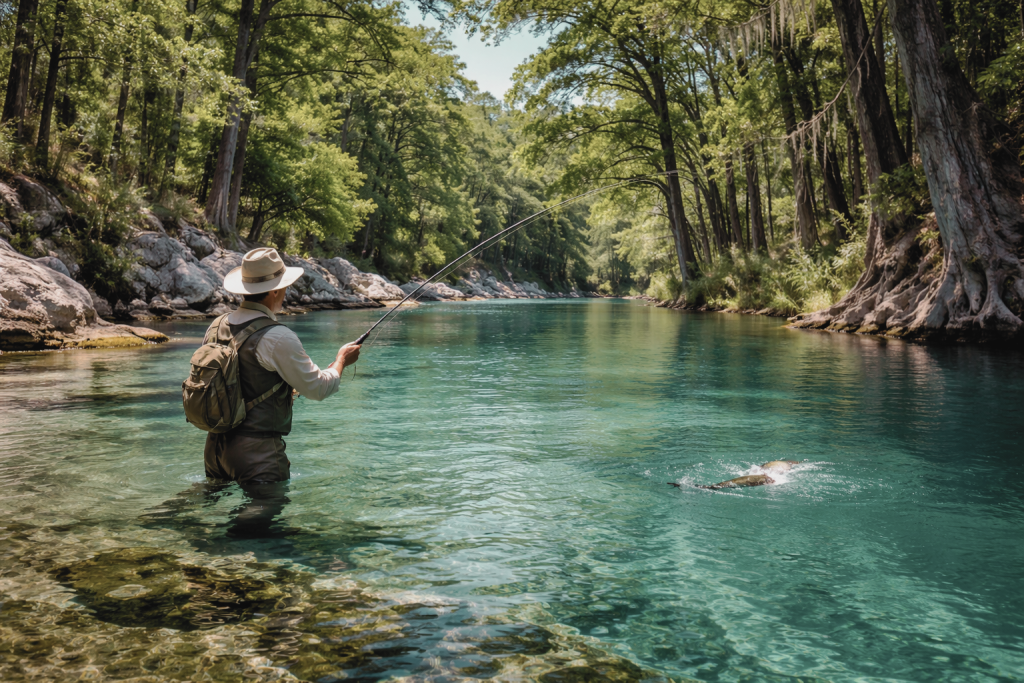
The Guadalupe and Comal Rivers for tubing, kayaking, and fishing (my own favorite hobby)
Canyon Lake for boating, swimming, and weekend getaways
Extensive hiking and biking trails throughout the Hill Country
Elevated hilltop views and darker skies that make stargazing normal
For people relocating from major cities, one of the biggest lifestyle shifts is simply being able to step outside and use their surroundings every day.
Food, Wine, and Culture in the Texas Hill Country
The Texas Hill Country wine region is one of the fastest-growing in the country, with wineries stretching from Fredericksburg to Driftwood. But wine is just one piece of the lifestyle.
Living in the Texas Hill Country also means being surrounded by culture that’s deeply rooted, not manufactured.
You’ll find:
Family-owned restaurants where locals are regulars
Seasonal festivals influenced by German, Czech, and Texan heritage
Live music ranging from acoustic songwriter nights to Texas country
Farmers markets and small businesses that still feel personal
This culture didn’t appear overnight. It developed over decades, shaped by people who care about place, history, and community—and that authenticity is a big reason people stay once they arrive.
Community Still Matters When Living in the Texas Hill Country
One of the most common surprises for people moving to the Hill Country is how connected communities feel.
In towns like New Braunfels, Boerne, Wimberley, Blanco, Fredericksburg, and Kerrville:
Neighbors know each other
Local business owners recognize repeat customers
Community events are well attended and genuinely local
You still get modern amenities, healthcare access, and infrastructure—but without the anonymity and constant churn that define many larger metro areas.
For families, retirees, and remote professionals, this sense of belonging is often the deciding factor when choosing to live in the Texas Hill Country.
A Region That Supports Balance, Not Burnout
Geographically, the Texas Hill Country sits in a rare sweet spot.
You’re close enough to Austin and San Antonio for employment, airports, and specialized healthcare—but far enough away to avoid daily gridlock, noise, and overcrowding.
Many people living in the Texas Hill Country enjoy:
Hybrid or fully remote work flexibility
Shorter, more manageable commutes
Lower population density without feeling isolated
Life here feels deliberate, not rushed. That balance is one of the biggest long-term benefits of Hill Country living.
Why Lifestyle Drives Texas Hill Country Real Estate Demand
Lifestyle is the invisible engine behind Texas Hill Country real estate.
Buyers aren’t just purchasing homes. They’re investing in:
Outdoor access and natural surroundings
Privacy, land, and breathing room
A strong sense of place and identity
Long-term livability
This is why many Hill Country towns and neighborhoods tend to hold value well, even during market shifts. When quality of life is the product, demand is often more durable.
Understanding what it’s like living in the Texas Hill Country is just as important as understanding pricing, property taxes, or financing options.
Is Living in the Texas Hill Country Right for You?
The Texas Hill Country isn’t for everyone—and that’s part of its appeal.
If you value:
Space over sprawl
Community over convenience
Lifestyle over hype
Then living in the Texas Hill Country deserves serious consideration.
Before making a move, it’s worth thinking beyond where you’ll live and focusing on how you’ll live once you get here.
If you’re exploring relocation or a home purchase in the Texas Hill Country and want clarity around affordability, mortgage options, or long-term planning, informed guidance can make all the difference.
Life here isn’t loud.
It’s intentional.
And for many people, that’s exactly the point.
Living in the Texas Hill Country: FAQs
Is the Texas Hill Country a good place to live?
Yes. Living in the Texas Hill Country offers a high quality of life, natural beauty, strong community connections, and access to outdoor recreation, while remaining close to Austin and San Antonio.
What towns are included in the Texas Hill Country?
The Texas Hill Country includes communities such as New Braunfels, Boerne, Fredericksburg, Wimberley, Blanco, Kerrville, and Dripping Springs, along with surrounding rural areas across Central Texas.
Is living in the Texas Hill Country expensive?
The cost of living varies by location. Areas closer to Austin or popular tourist towns tend to be more expensive, while smaller communities often offer more land and affordability. Property taxes, insurance, and utilities should be evaluated together.
What is the lifestyle like in the Texas Hill Country?
The lifestyle emphasizes outdoor living, community involvement, local culture, and balance. Residents enjoy rivers, lakes, hiking, local food, live music, and a less rushed daily pace.
Who is living in the Texas Hill Country best suited for?
Living in the Texas Hill Country is well suited for families, retirees, remote workers, and anyone looking for space, privacy, and a strong sense of community while staying connected to Central Texas job markets.
If you’re seriously considering living in the Texas Hill Country, the smartest next step isn’t guessing—it’s getting clarity. Before you fall in love with a property, make sure the numbers, taxes, and financing actually support the lifestyle you want. A quick, no-pressure conversation can help you understand what’s realistic, what’s sustainable, and how to move forward with confidence.

2 Responses